Back to Blog Page
Disability Inclusion Strategy

Disability Inequality in the Workplace

Esi Hardy
Esi Hardy | | 3 min read
Goldfish staring at black fish
Esi Hardy

Esi Hardy

Esi Hardy is a disability activist, host of The Equality Edit podcast, and Founder and Managing Director of Celebrating Disability. With a background in disability equality, Esi set up Celebrating Disability in 2017 to help organisations attract, engage and retain disabled people through training, consultancy and speaking. Celebrating Disability works with EDI specialists to turn disability inclusion policy into practice. Named Disability Inclusion Business of the Year 2026 by Corporate Vision, the company's recent clients include Henkel, Shoosmiths, the Financial Conduct Authority, Age UK, Homes for Students and Wales Millennium Centre. In her spare time, Esi loves true crime and rock music.

Background

Over the years I have consulted on, written and implemented policies that support personalisation and disability equality. I have, alongside colleagues with like minded ideals, delivered training, written workbooks and  created documents that support change to build a positive workforce that actively encourages and supports disabled people. And yet, disability inequality in the workplace is still rife.

Since starting Celebrating Disability, I have been to networking events and exhibitions and even spoken to people in the communal areas in my office space. When asked what I do and what Celebrating Disability is, I have explained that Celebrating Disability is a disability equality consultancy supporting businesses, education establishments and general interest groups to become disability confident. In turn, they can support disabled employees and customers to excel.

It bothers me that much too often people are responding with telling stories of discrimination in the workplace where they themselves or a colleague of theirs has been actively discriminated against for being disabled.

Too many stories in the news of discrimination

 Businesses who are not strapped for cash and have plenty of resources to offer support. Don’t get me wrong, sometimes the support a disabled employee needs does not need hundreds and thousands of pounds but on the contrary, is as simple as offering an employee a quiet place to rest, flexible working time or assistance in cashing up the till.

I can’t help thinking that this only reinforces the reason why Celebrating Disability and consultancies like it must exist. But it still leaves one unanswered question. Because the only people who are going to hire the services of disability equality consultancies are organisations with a positive attitude towards integration, inclusion and equality.

Conclusion

So how do we capture the interest of those who either do not see the aforementioned as an issue or do not care? I have been working closely with sales and marketing advisors to build brand awareness of Celebrating Disability – they have told me that people buy due to fear or greed. Is this the way to convince those businesses less interested to come into the light? The answer that is coming to mind is yes but my only wish is that it does not need fear and greed to convince somebody to do the right thing and treat people as equals. That may be naive on my part but at the same time I don’t think its unreasonable.

Making your forms inclusive - Title was a picture of a form
Inclusive Recruitment & Employment Manager Confidence & Conversations Reasonable Adjustments & Workplace Support Welcoming Disabled Customers

Asking About Access Needs on a Form

Key takeaways Your form collects access needs. Your managers turn them into adjustments that work.Reasonable Adjustments in Practice is a...
By Esi Hardy | 6 October 2026 | 10 min read
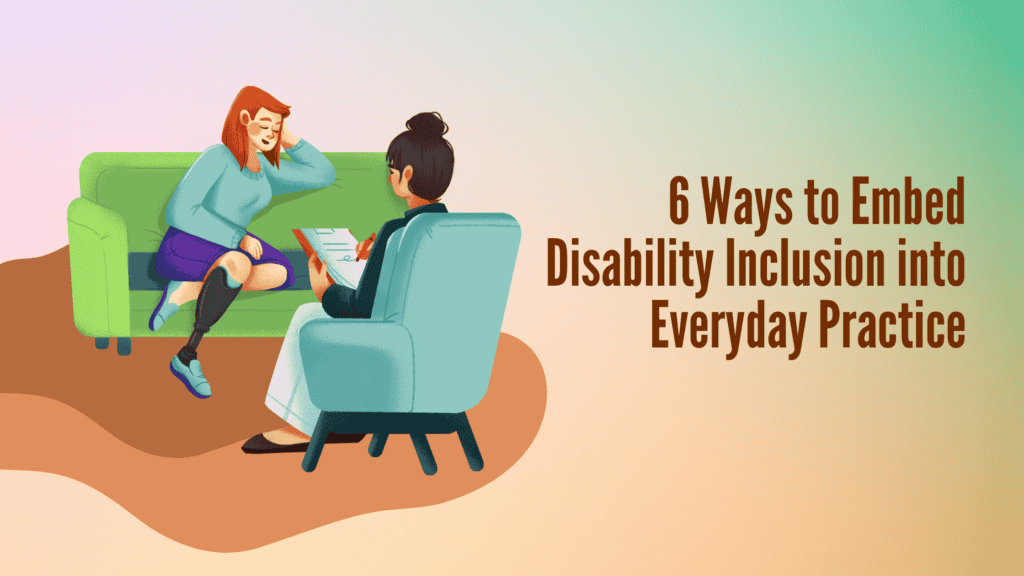
Illustration of a disabled person with a below-knee prosthetic leg sitting on a sofa during a one-to-one meeting with another person taking notes. The image accompanies an article about embedding disability inclusion into everyday workplace practice following training.
Disability Inclusion Strategy Disability Inclusion Training & Learning

6 Ways to Embed Disability Inclusion into Everyday Practice

1. Measure progress over attendance One of the biggest mistakes I see organisations make is measuring success by attendance. Attendance...
By Esi Hardy | 3 July 2026 | 6 min read
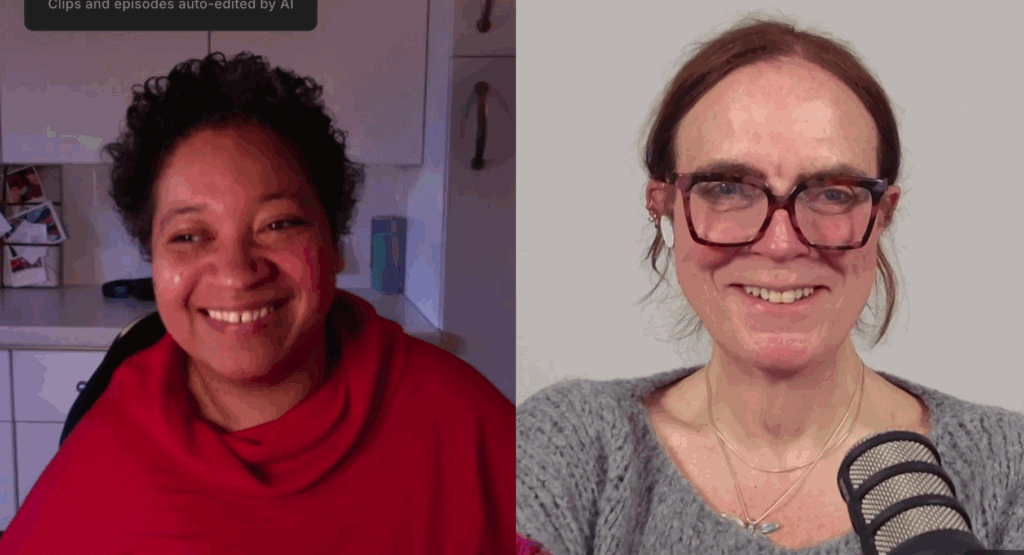
Two people on a split-screen video call, **Esi Hardy** on the left and **Joanne Lockwood** on the right, both smiling and looking at the camera. Esi is wearing a red top in a kitchen setting. Joanne is wearing glasses and a grey top, speaking into a microphone against a plain background.
Disability Inclusion Strategy Disability Inclusion Training & Learning Inclusive Recruitment & Employment

Lived Experience Alone Does Not Create Inclusion in the Workplace

In my recent conversation with Joanne Lockwood on The Equality Edit, this came through clearly. We spoke about the value...
By Esi Hardy | 25 March 2026 | 7 min read

Ready to turn disability inclusion policy into practice?

Practical disability inclusion support focused on manager confidence, workplace conversations and consistent implementation.

Explore training and support