

Without disability inclusion metrics, disability inclusion often remains invisible. It sits in HR folders, policy documents, or one off initiatives rather than becoming part of how the organisation understands performance, risk, and culture. When inclusion is not measured, it is harder to protect, harder to fund, and easier to deprioritise.
Measurement is not about surveillance or bureaucracy. It is about understanding where barriers exist, whether support is effective, and what needs to change. For organisations that are already doing something, measurement is the point where activity becomes strategy.
Measurement is the bridge between intention and impact
When disability inclusion is not measured, the same patterns tend to appear.
Leaders assume inclusion is working, without evidence. Training has happened, policies exist, so it feels like progress. But without outcome data, leaders cannot see whether disabled people are actually experiencing timely support, psychological safety, or equal opportunity. This creates a false sense of confidence and prevents meaningful improvement.
Barriers remain hidden and normalised. Delays in reasonable adjustments, inconsistent manager responses, inaccessible systems, and informal workarounds often go unrecorded. When barriers are not measured, they become part of everyday working life rather than problems to solve. Over time, this increases frustration, fatigue, and disengagement among disabled staff.
Disability inclusion becomes fragile. When budgets tighten or priorities shift, work that cannot demonstrate impact is often the first to be questioned. Without data, disability inclusion is easier to frame as optional rather than essential. Measurement protects the work by showing why it matters.
Trust and disclosure stagnate. Disabled people are less likely to disclose when previous disclosures have led to little change. Low disclosure then limits the quality of data available, creating a cycle where leaders say they cannot act because they do not have enough information. Measurement done well breaks that cycle by showing that disclosure leads to action.
From a business perspective, this matters because unmeasured barriers affect productivity, retention, engagement, and reputation. These costs rarely appear labelled as disability related, but they show up elsewhere in the data.
What measuring disability inclusion actually means
Measuring disability inclusion is not just about headcount. It is about understanding experience, outcomes, and systems.
Effective measurement looks at whether reasonable adjustments are delivered consistently and on time, whether managers feel confident supporting disabled staff, whether disabled people feel safe disclosing and asking for support, whether disabled staff stay, progress, and thrive at similar rates to non disabled staff, and where organisational systems create friction or delay.
Celebrating Disability delivers training sessions that support line managers to understand their responsibilities and obligations towards disabled people in terms of reasonable adjustments and equality at work, to find out more, click here to see our sessions.
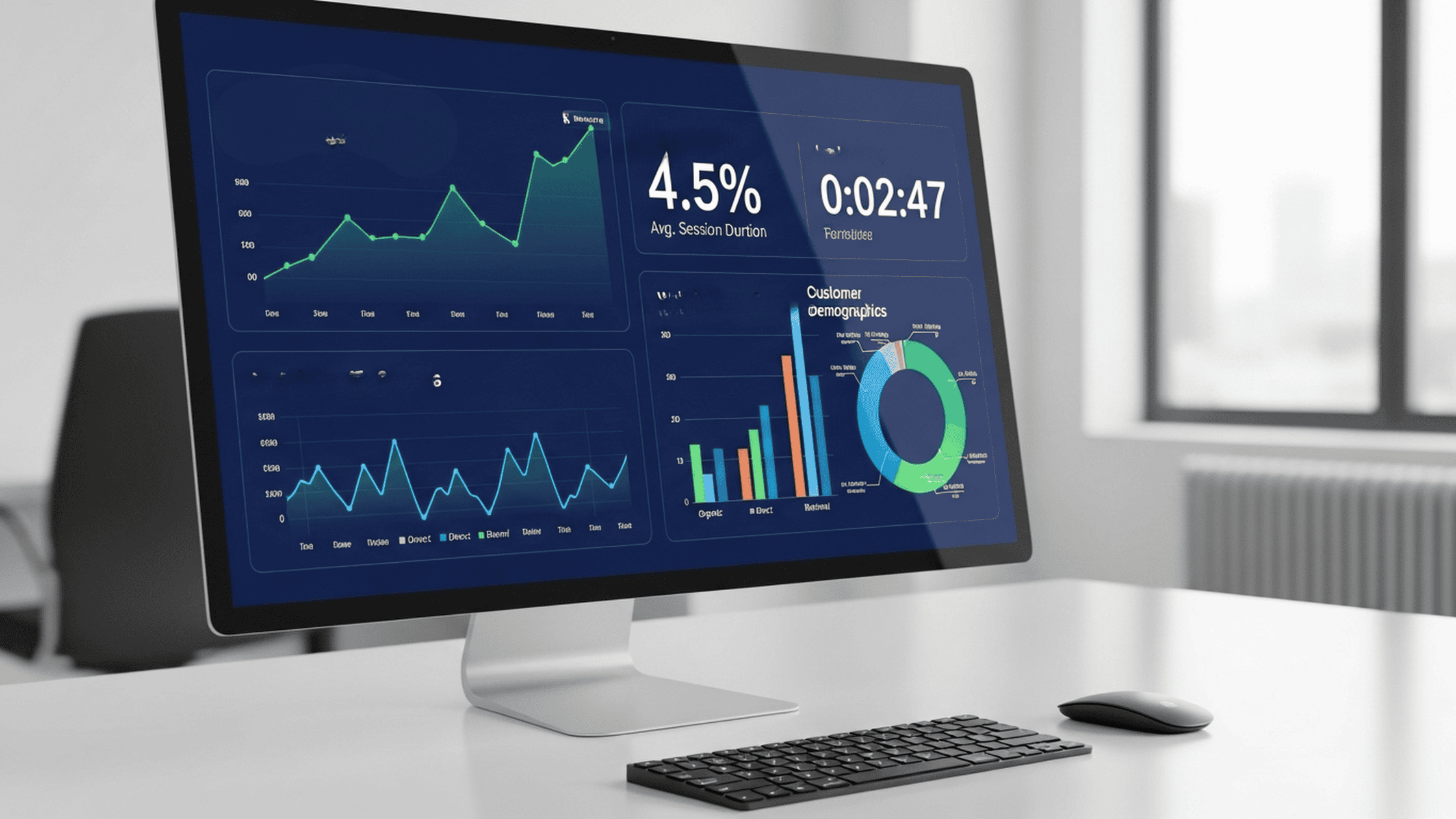
One widely used approach is an inclusion index, which brings together responses on belonging, safety, fairness, and support into a single score that can be tracked over time. This allows organisations to see patterns, compare teams or functions, and assess whether change efforts are working.
There is growing professional demand for practical ways to measure inclusion, not just talk about it. That shift reflects a broader recognition that inclusion needs to be managed with the same seriousness as other organisational priorities.
The business cost of not measuring disability inclusion
Organisations that do not measure disability inclusion often experience the same operational issues, even if they are not labelled as inclusion problems.
Retention risk increases. When adjustments are delayed or inconsistent, disabled employees are more likely to reduce hours, disengage, or leave. Replacement costs, lost knowledge, and disruption to teams all carry a financial impact.
Manager time is wasted. Without clear processes and data, managers often rely on informal advice, repeated conversations, or trial and error. Measurement highlights where managers need better systems or guidance, reducing inefficiency.
Legal and reputational risk rises. Untracked delays or inconsistent decisions around adjustments increase the likelihood of grievances or disputes. Measurement provides early warning signs before issues escalate.
Inclusion work lacks credibility. When disability inclusion cannot demonstrate outcomes, it is harder to secure long term investment. Measurement gives leaders confidence that resources are being used effectively.
Research consistently shows that workplace adjustments support productivity and retention. In Business Disability Forum’s Great Big Workplace Adjustments Survey, many disabled employees reported that adjustments helped them stay in work and perform better. That link between support and performance is exactly what measurement makes visible.
Five practical ways to start measuring disability inclusion
These steps are designed for organisations that already have some disability inclusion activity in place and want to embed measurement into their strategy.
1. Define outcomes, not activities
Start by being clear about what success looks like.
Examples of outcomes include adjustments being implemented within agreed timeframes, managers feeling confident having conversations about disability and access, disabled staff reporting higher levels of psychological safety, disclosure rates increasing because trust exists, and disabled staff retention improving.
Once outcomes are clear, identify simple indicators that show progress. For example, measure average time from adjustment request to implementation rather than counting how many requests were made.
2. Build trust in disability data
Disability data is sensitive. People will only share it if they understand why it is collected and how it will be used.
Key foundations include clear communication about purpose and impact, inclusive categories with a free text option, separation of disability data from performance management, and transparency about who can access the data and why.
If trust is missing, data quality will be poor and measurement will fail.
3. Use reasonable adjustments as your first dashboard
If a reasonable adjustments process exists, you already have a strong starting point.
Useful measures include time from request to decision, time from decision to implementation, percentage of requests implemented fully or partially, common reasons for delay, and repeat or escalated requests.
These metrics quickly reveal where systems support inclusion and where they create barriers.
4. Measure lived experience, not just numbers
Headcount does not show whether inclusion is working.
Add lived experience measures such as short pulse surveys on belonging, safety, and support, manager confidence checks on adjustments and conversations, and structured listening sessions reported as themes.
This data shows whether policies translate into everyday reality.
5. Turn measurement into action
Measurement only builds trust if it leads to change.
Embed disability inclusion metrics into business rhythm by assigning a senior owner for inclusion data, reviewing key indicators regularly, reporting alongside other people metrics, and sharing what has changed because of the data.
When people see action, confidence in the process grows.
Common questions leaders ask
Why measure disability inclusion when we already have policies?
Policies show intent. Measurement shows impact. Without data, it is impossible to know whether policies are improving lived experience or simply existing on paper.
Will measurement slow things down?
Clear metrics often speed things up. They focus effort on the most significant barriers and reduce wasted time on initiatives that do not deliver results.
Inclusion includes feelings, but patterns are measurable. Combining quantitative indicators with qualitative insight provides a robust picture of what is happening and why.