
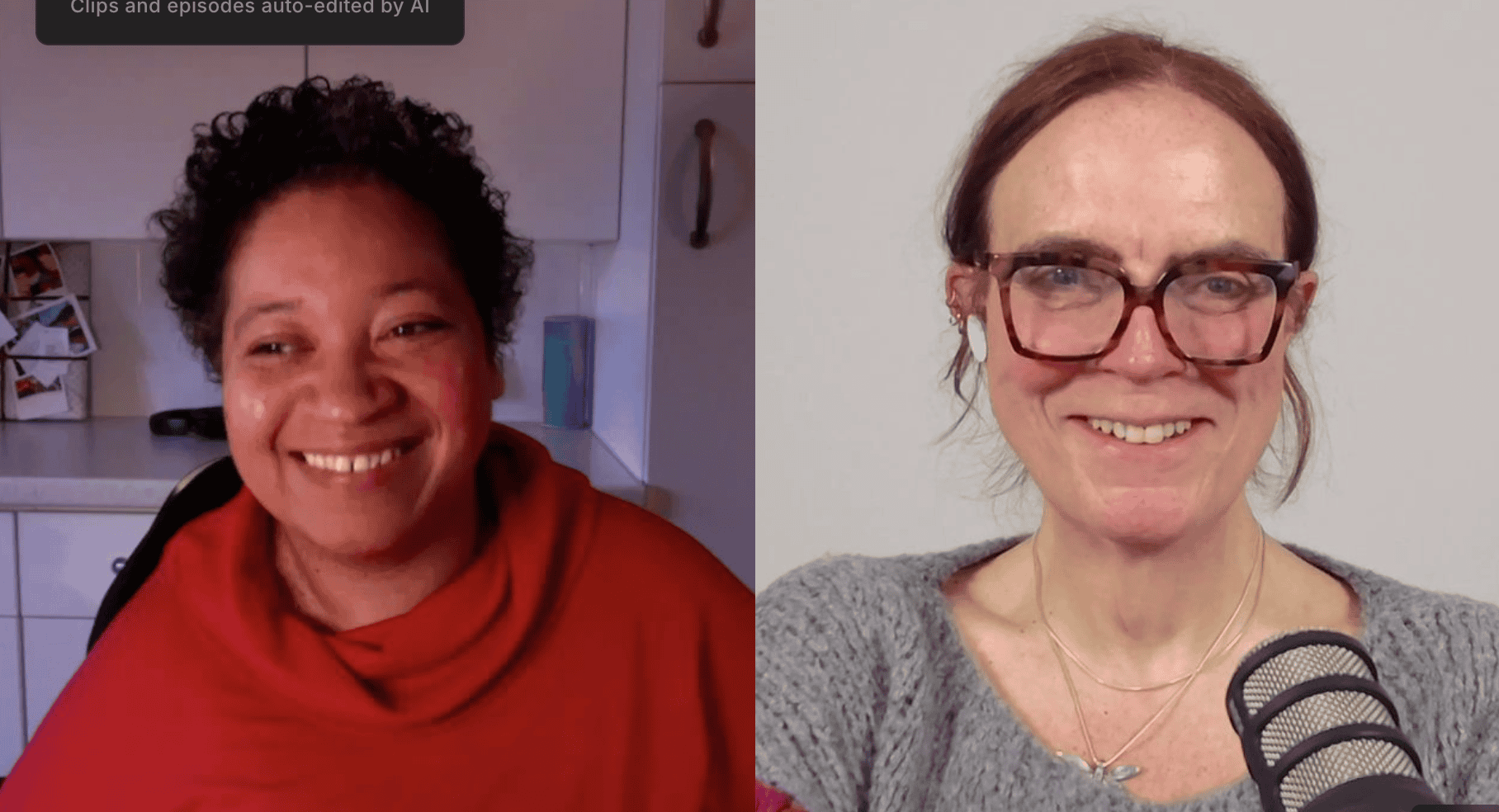

In my recent conversation with Joanne Lockwood on The Equality Edit, this came through clearly. We spoke about the value of personal experience, the emotional labour that often sits behind it, and the gap that still exists between hearing someone’s story and knowing what to do differently as a result. Again and again, the conversation came back to the same point. Awareness matters, but awareness without action changes very little.
Why lived experience feels powerful, and where it falls short
There was a time when I was very clear that I did not want to centre myself in my work. When I started Celebrating Disability, the focus was inclusion, not my personal story. Over time, that shifted. Not because the purpose changed, but because I realised that lived experience is often what makes inclusion in the workplace tangible for other people. It helps people understand the impact of barriers in a way that theory never quite can.
But there is a limit to what lived experience can do on its own.
Sharing personal experience can create empathy. It does not automatically create action.
What it does not do is help a business understand how to change its processes, how to support its managers, or how to embed inclusion into day to day working practices. It does not tell someone how to respond in a real conversation, or what to do when a situation becomes complex.
That is where the gap sits. Lived experience can open the door, but it does not build the structure that needs to come after.
Moving from awareness to action in inclusion in the workplace
Organisations start with the best intentions; they invest in awareness, bringing in speakers and creating space for people to share lived experiences. People listen, they reflect, and they often leave with a stronger emotional understanding.
But inclusion in the workplace cannot rely on people simply caring more. It has to help people act differently.
That means translating feedback into something practical. It means asking what this looks like in recruitment, in performance management, in team communication, and in leadership behaviour.
This is where many organisations struggle with inclusion in the workplace, particularly when moving from awareness into action.
Without that step, inclusion remains something that is talked about rather than something that is consistently experienced.
Why fear stops people from engaging
One of the biggest barriers to inclusion in the workplace is not resistance. It is fear. People are worried about getting it wrong. They worry about using the wrong language, asking the wrong question, or causing offence without meaning to.
Fear does not create safer environments. It creates silence.
This shows up in everyday ways. Managers delay conversations they know they need to have. Colleagues avoid asking questions that might actually improve understanding. Decisions are pushed down the line because people do not feel confident enough to act.
The impact is simple. Support is delayed. Barriers remain. And disabled people are left to navigate those gaps on their own.
The role of line managers in making inclusion real
This is where inclusion in the workplace either succeeds or quietly falls apart. Not at senior leadership level, and not in policy documents, but at line manager level.
Many managers want to do the right thing. The challenge is to ensure the right tools are in place to turn theory into practice. As a result, enabling line managers to have confidence when engaging in conversations about adjustments and support, because clear guidance has been provided.
Inclusion does not fail because people do not care. It fails because people do not feel confident.
Building manager capability is critical. Not just awareness, but practical confidence in real situations.
We support organisations to develop line manager confidence and skills through comprehensive, tailored training.
The emotional labour behind inclusion
There is another layer to this that is often overlooked. For many disabled people, inclusion in the workplace is not an occasional topic. It is something that is navigated every day.
That includes explaining needs, managing other people’s reactions, advocating for support and staying composed in situations that can be frustrating or exhausting.
Inclusion often comes with invisible labour that organisations do not measure.
Even in organisations that are trying to improve, this can take a significant amount of energy. There is often an unspoken expectation that individuals will educate others while also doing their job.
That expectation is rarely acknowledged, but it is very real.
Why inclusion needs to be built, not requested
Too often, inclusion in the workplace is treated as something that happens in response to a request. Someone speaks up, explains their situation, and then support is considered.
By that point, the responsibility has already been placed on the individual.
Inclusion should not depend on someone having to ask for it every time.
A more effective approach is to build inclusion into the culture from the start. That means thinking ahead about how people work, how flexibility is approached, and how conversations are handled.
Leadership, culture and everyday behaviour
Leadership plays a critical role in shaping inclusion in the workplace. Leaders influence what is prioritised, how people behave and what is considered acceptable.
Inclusion is not driven by statements. It is driven by behaviour.
If leaders demonstrate openness, accountability and a willingness to learn, that creates space for others to do the same. If they avoid difficult conversations or focus only on outputs, that also filters through the organisation.
Leaders who demonstrate the values, behaviours, mission and purpose of the organisation of the ones that support an inclusive culture to grow.
Inclusion is not about doing something completely different
There is a common assumption that inclusion in the workplace requires a completely different way of working. In reality, it often builds on what people already know how to do.
People already adapt to different personalities, support their friends in different ways and respond to individual preferences in their personal lives.
Inclusion is not a new skill. It is a consistent application of what people already know.
The challenge is bringing that into the workplace in a way that is intentional and sustainable.
Why perfection is not the goal
There is often pressure to get inclusion in the workplace right all the time. That is not realistic. People will make mistakes. They will have days where they do not respond in the best way.
What matters is not perfection. It is accountability.
Awareness, ownership and a willingness to improve are far more important than getting everything right the first time. That is what builds trust over time.
Turning lived experience into meaningful change
Lived experience remains a vital part of inclusion in the workplace. It brings clarity, honesty and perspective. It helps people understand the real impact of barriers in a way that theory cannot.
But it cannot carry the full weight of change on its own.
For organisations, the focus needs to shift towards building capability. That includes supporting managers, embedding inclusive practices into everyday work, and ensuring that people know how to act on what they have learned.
A few practical questions can help highlight where the gaps might be:
- Do managers feel confident having conversations about support and adjustments
- Does inclusion in the workplace show up in daily behaviour, or mainly in policy documents?
- Are disabled people expected to carry the responsibility for driving change?
- Has the organisation invested in implementation, not only awareness?
- Do people know what to do after hearing lived experience?
Inclusion in the workplace becomes meaningful when insight leads to action.
Lived experience can start the conversation, but it is what happens next that determines whether anything actually changes.
What to do next
If these questions are difficult to answer, that is where the risk sits.
Inclusion in the workplace does not improve on its own. It moves when action is taken.
If there is already a sense that things are not quite working, or that managers are unsure how to respond in real situations, now is the time to address it.
Celebrating Disability use lived experience within the delivery of our services. But only as an addition to driving change through the behaviour and purpose. If you are interested in how we can support you through value-driven training and talks, we’d love to talk with you.