Category: Manager Confidence & Conversations

Manager confidence plays a key role in creating an inclusive workplace. This category explores how managers can build confidence when talking about disability, start conversations about reasonable adjustments, and respond appropriately to the needs of disabled employees. It covers how to approach these conversations in practice, remove uncertainty, and ensure that inclusion is applied consistently in day-to-day management.

Blurred workplace meeting room with an empty speech bubble overlay symbolising silence around reasonable adjustment conversations.

Why Reasonable Adjustment Conversations Aren’t Happening

The Gap Between Reasonable Adjustments Policy and Practice Over the past year, I have worked with multiple organisations investing in training for line managers responsible...
Coloured sticky notes arranged on a desk, each showing a simple outline of a person. One orange note in the centre reads “Workplace Culture,” symbolising an inclusive workplace culture that values diversity and inclusion.

Ensuring Your Disability Inclusion Efforts Are A Success

Many of these strategies have been very successful.  These have included: The one thing that always works is when a company develops its culture from the...
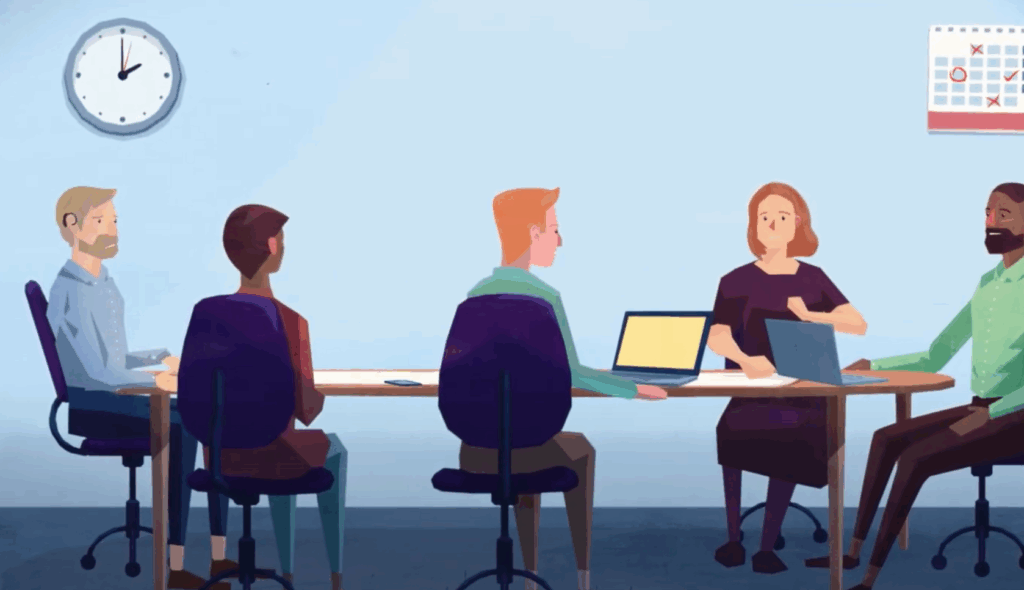
Illustration of five colleagues in a meeting room, two using laptops, one wearing a hearing aid, seated around a table.

Creating Equitable Opportunities for Disabled Employees

Recruitment is often the first place businesses focus when thinking about disability inclusion. And it matters. If disabled people are not included in recruitment processes,...
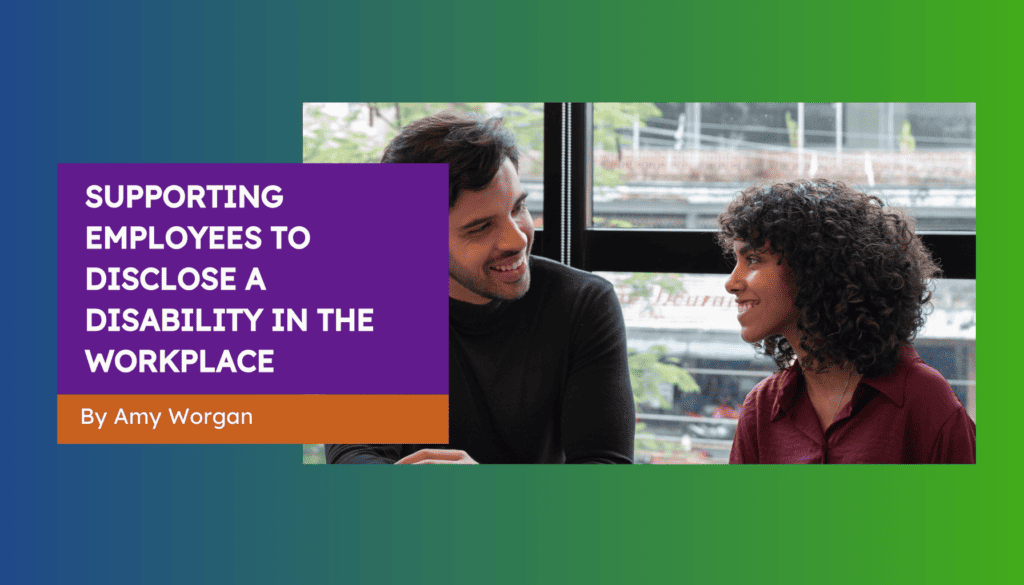
On the left of the image is the title of the blog with the name of the author underneath: Amy Worgan. On the right, as an image of a man and woman engaged in a pleasant conversation

Supporting Employees to Disclose a Disability in the Workplace 

Introduction Workplace inclusion is gaining more attention, and discussions about disability disclosure are becoming increasingly important. The UK government has proposed the Equality (Race and...

A Disability-Inclusive Recruitment Process

Developing a disability inclusive recruitment process is a vital step in fostering a diverse and inclusive workplace. However, many organisations unintentionally create barriers during the...
Making your forms inclusive - Title was a picture of a form

Asking About Access Needs on a Form

It can’t be emphasised enough, the importance of providing services that are inclusive of both disabled customers and employees. One way to ensure access and...
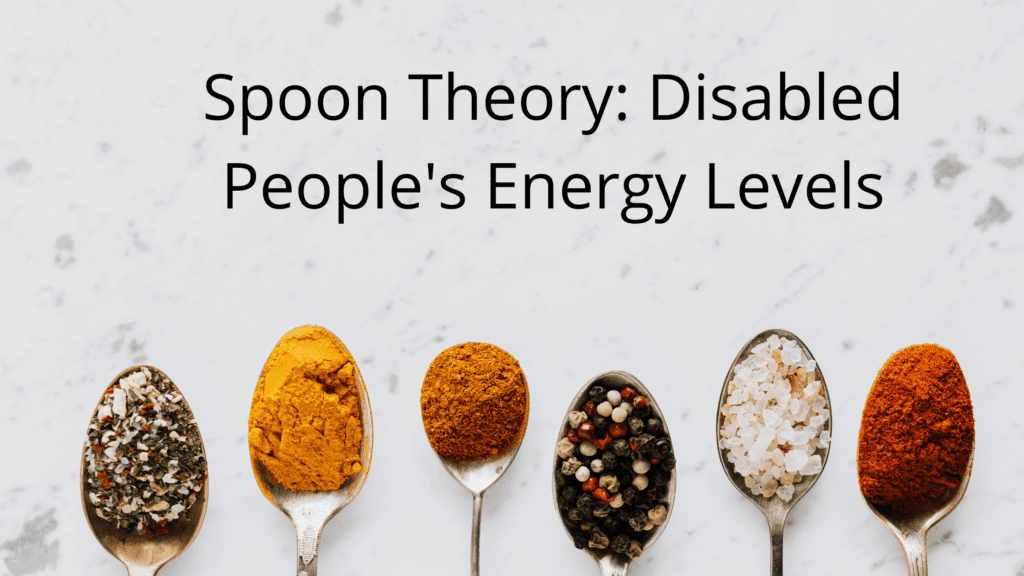
Line of five spoons. Each spoon has a different spice. The title of the blog reads above

Spoon Theory: Disabled People’s Energy Levels

Disables people's energy levels can be used up subtly at times as we will go onto explaining this blog. Having an understanding of the barriers...
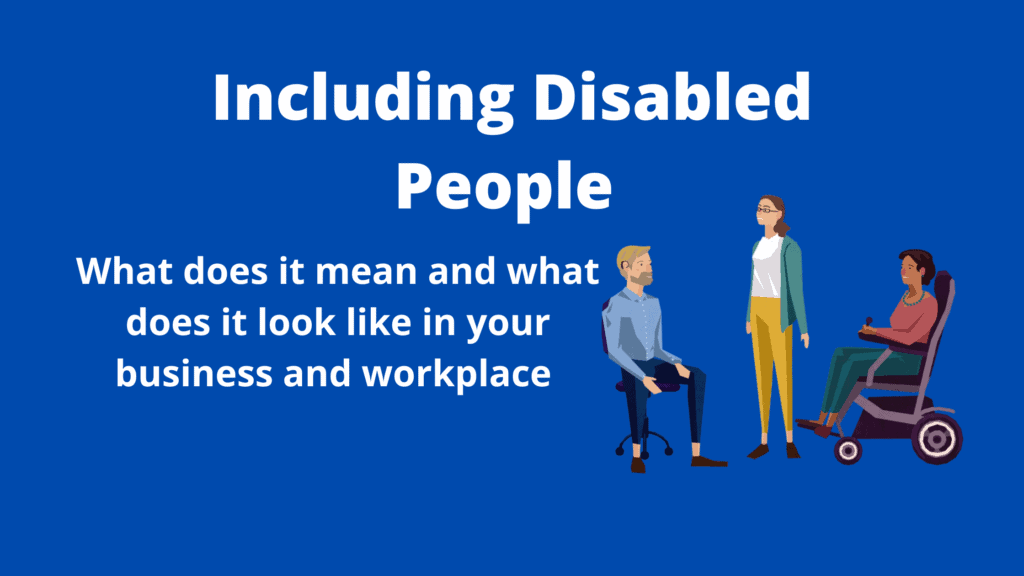
Text in image: including disabled people. What does it mean and what does it look like in your business or workplace

Including Disabled People

Demystifying the difference between accessibility and inclusion and explaining how they are different but need to be thought of in conjunction with each other
Two animated people high-fiving each other - choose to challenge positively

Choose to Challenge Positively

Challenging somebody's ideas is something that has become very popular when we are talking about becoming an ally. Whilst this is very important, it is...
Assistive technology in the workplace blog from celebrating disability website

Assistive Technology in the Workplace

In This Blog: Assistive technology consists of systems and equipment; including physical devices and software. They are designed to maintain or increase performance for disabled...

Let’s Talk About Inclusion

We’d love to hear from you.

Start a Conversation
Celebrating Disability
Privacy Overview

This website uses cookies so that we can provide you with the best user experience possible. Cookie information is stored in your browser and performs functions such as recognising you when you return to our website and helping our team to understand which sections of the website you find most interesting and useful.