

Inclusive language is a vital part of the puzzle when considering how people feel and know they are included. Using the correct language can articulate to a person that they have been thought about, that they are valued, that the speaker perceives them as equal. But the problem is, language is also deeply personal. What may be acceptable as a term to one person may be unacceptable as a term to another.
Depending on which country you are in, the term “handicapped” may or may not be acceptable. In the UK, handicapped is not an acceptable term to use when describing or referring to a disabled person.
The origins of “handicapped”
Many people believe that the word handicap derives from “cap in hand”. Which is what disabled people would do when they were begging on the streets. And this was my belief as well. However, I have come to realise this is not true. In fact, the truth is far more obscure.
According to The Online Etymology Dictionary, the word comes from a seventeenth-century trading game called “hand-in-cap.” Two people who wanted to exchange possessions asked an umpire to decide whether the items were of equal value. If they were not, the umpire decided how much to add to make the exchange fair.
The two traders then placed their hands inside a cap and withdrew them at the same time. An open hand showed that they agreed with the valuation; a closed hand showed that they did not.
The idea of adjusting an unequal contest later entered horse racing, where a stronger horse was made to carry additional weight to give every horse a more equal chance of winning. From there, “handicap” gradually came to mean something that placed a person at a disadvantage. By the early twentieth century, “handicapped” was being used to describe disabled people.
So whilst the origins are different to what we may have expected, the intention and therefore the outcome still remain. The thought process behind the term is that a person with an impairment is not able to do something and is at a disadvantage. This is why we caution against the term.
Handicapped feeds into the rhetoric of being disabled
If we are led to believe that having an impairment means that we are disadvantaged in some way. This leads businesses and services to believe that the disadvantage lies within. Within the individual with an impairment. And this leads to further negative perceptions.
Disadvantage spreads to the mind, to the body, to intellectual ability, to social mobility, and to opportunities in every other walk of life.
And if disabled people are disadvantaged in all of the above, what is the point in providing services and opportunities that are inclusive and accessible?
So, what do we use instead?
If we now know that “handicap” is not preferred terminology and we understand the reasons why, we have to think about what to use as an alternative.
It’s important to mention here that the term disability is not a bad word. I have written a blog before on the difference between the terminology “disabled person” and the terminology “person with a disability”. Otherwise known as person-first or identity-first language.
This is where it could become tricky. Because then the user has to determine what is appropriate in that context, how they will respond to the language used, and what they prefer.
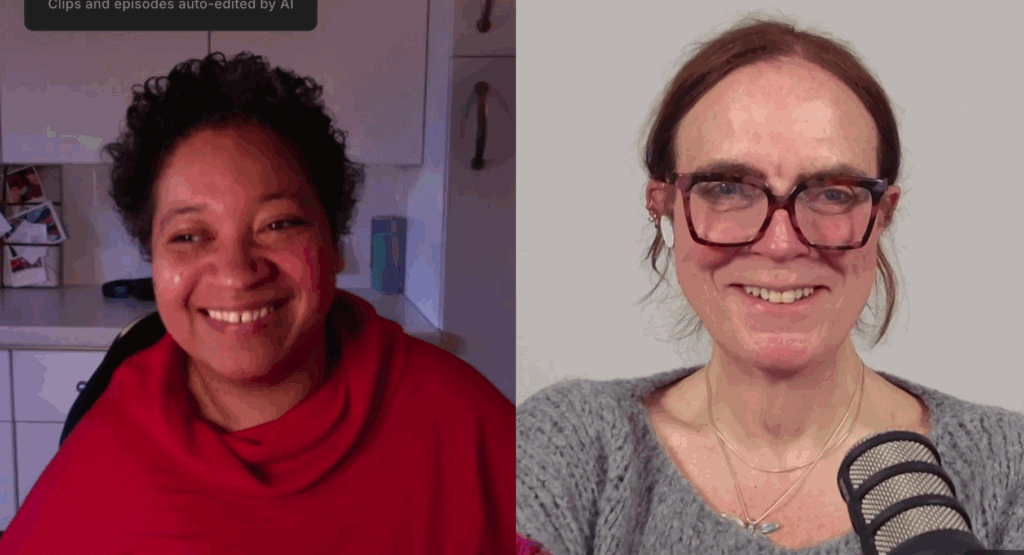
In a recent episode of The Equality Edit podcast, Nzinga talks about the 3 Rs of inclusive communication:
Read. Respond. Repair.
The remainder of this article will discuss three ways to be confident with the language you use around disability.
1. Understand why you need to know
Much of the communication between non-disabled and disabled people is stilted because people are worried about offending disabled people when using language. They’re worried that if they use the wrong terminology, the person will be offended, or they may not look as though they know what they’re talking about.
Understanding why you are asking in the first place can be the key to knowing if you ever need to use the language at all! When delivering training sessions, many line managers or front-of-house staff worry that they need to know exactly which terminology to use. When asked why, their response is often that they need to know what the disability is to provide support.
However, in this case, you don’t need to know someone’s disability to provide support. The question you need to ask is:
Are there any access requirements you would like me to know about? Or words similar to this. Then, the individual will be able to tell you exactly what they need without even having to discuss a disability.
In our “Conversations About Support” training session, we discuss this in more detail. Including how a disabled individual can be supported to understand what they may need and when.
2. Ask the person
When appropriate. If it is relevant to the conversation. Therefore, I am not encouraging people to go up to disabled people when they are strangers and ask them how they would like to be referred to.
However, if you think it’s imperative to know, the easiest thing to do is ask the individual. An example of this might be in a medical situation when a doctor is describing a medical condition in notes. In this case, it is advisable that they ask a person how they would prefer to be referred to.
The individual can then tell you their preference. They may say they don’t have a preference. In which case and if it’s irrelevant, you can use one of the above stated terminology.
3. Do some research
In some cases, using a descriptive term will be important. An example of this may be if you are in marketing and communication and talking about your inclusive culture in your business. You may work in recruitment and be writing about the inclusive processes available for disabled candidates.
There are many disabled people, activists and advocates on social media sharing their insight and experience into why they use certain language over others. After researching, co-producing with the rest of your organisation and asking any disability networks or ERGs, you may settle on one term over another.
I believe it’s very important to come to a decision about which term to use and then stick to it. Whichever one your organisation decides to use, sticking to that one will demonstrate to disabled people that you have taken time to think about why and how you are using the language.
It will be unlikely that anyone will be offended by your decision in this capacity. However, if you would like, you could also put a note about how you came to this decision and why.
A final thought on how to consider the words you use
Language is a vehicle to inclusion. It demonstrates to the receiver of the words that they have been thought about. When inclusive terminology is used, it supports the receiver to fill valued. This in turn supports the person to feel confident with your Service or in your presence.
One way to think about language is to consider the best phrase to help someone feel included, valued, and welcome. This is generally how you can use positive, proactive language.
If you are ever unsure, ask the person. Nine times out of 10, they will be grateful that you have asked and are interested in their opinion rather than just making an assumption or guessing.